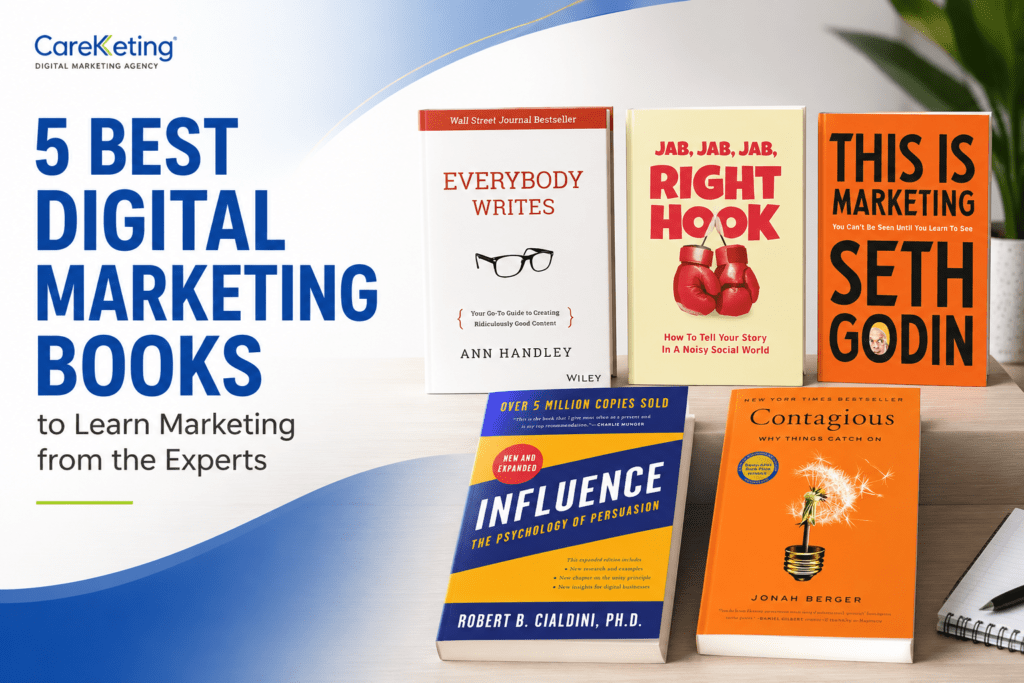
5 Best Digital Marketing Books to Learn Marketing from the Experts
A practical reading list for beginners and business owners who want to build strong marketing fundamentals and make better marketing decisions.
Introduction
Learning digital marketing only through short posts and videos can leave you with many tactics but very little understanding of why those tactics work. Books can provide the missing context. They give you time to understand customer psychology, positioning, strategy, content, advertising, and measurement.
The right digital marketing books can be especially useful for business owners and beginners who want to move beyond simply learning how to use individual platforms. A good book should help you think like a marketer, not just teach you where to click.
Here are five useful books that cover different parts of modern marketing and can form a practical digital marketing reading list.
Table of Contents
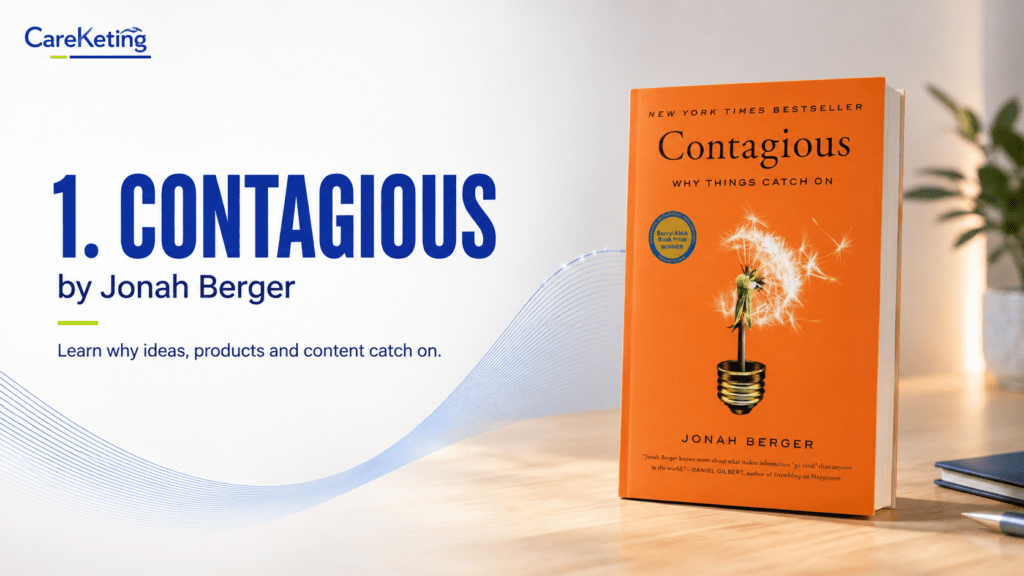
1. Contagious by Jonah Berger
Contagious: Why Things Catch On
Best for: Understanding why people share content and ideas.
Jonah Berger’s Contagious focuses on the psychology behind word of mouth and sharing. It explains why some ideas spread while others receive little attention.
For someone learning digital marketing, this is valuable because social media success is not simply about publishing frequently. Content needs a reason to be discussed, remembered, or shared.
Practical takeaway: Before publishing a campaign, ask what makes someone want to tell another person about it.
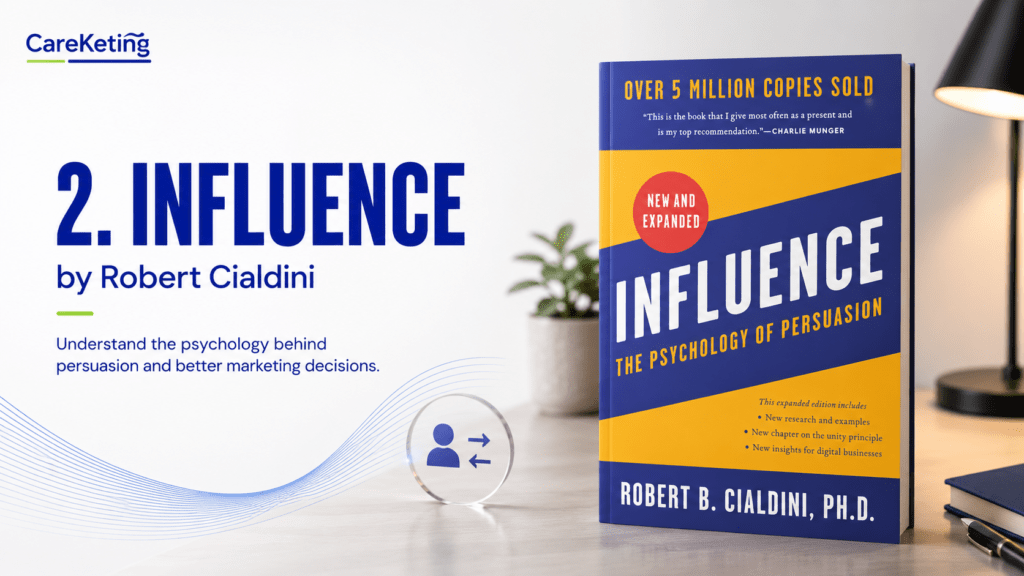
2. Influence by Robert Cialdini
Influence: The Psychology of Persuasion
Best for: Understanding customer psychology and persuasion.
Influence is one of the foundational marketing books for understanding how people make decisions. Robert Cialdini discusses principles such as social proof, authority, reciprocity, commitment, liking, and scarcity.
These concepts can be applied across landing pages, advertisements, sales pages, email campaigns, and lead generation.
For example, a B2B company may strengthen a landing page by showing relevant customer results, certifications, or credible evidence rather than simply making bigger claims.
Practical takeaway: Good marketing does not pressure people into decisions. It reduces uncertainty and makes the decision easier to understand.
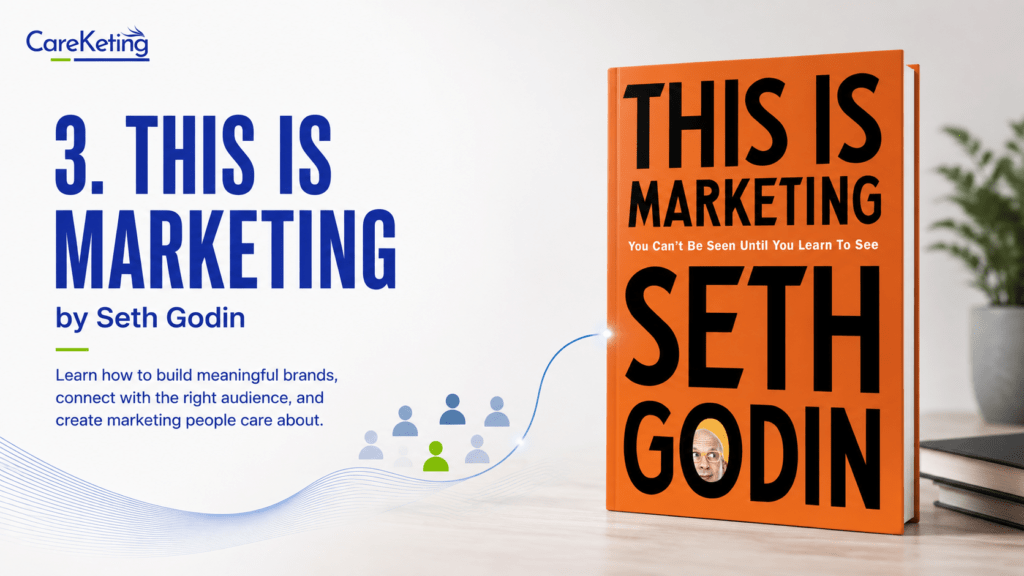
3. This Is Marketing by Seth Godin
This Is Marketing
Best for: Learning customer focused marketing and positioning.
Seth Godin’s This Is Marketing takes a broader view of marketing. Instead of treating marketing as advertising alone, it focuses on understanding the people you serve and creating something meaningful for a specific audience.
This is particularly useful for small businesses. A local service provider, manufacturer, or startup usually cannot compete by trying to appeal to everyone.
Practical takeaway: Define who your business is best suited to serve before deciding what message you want to promote.
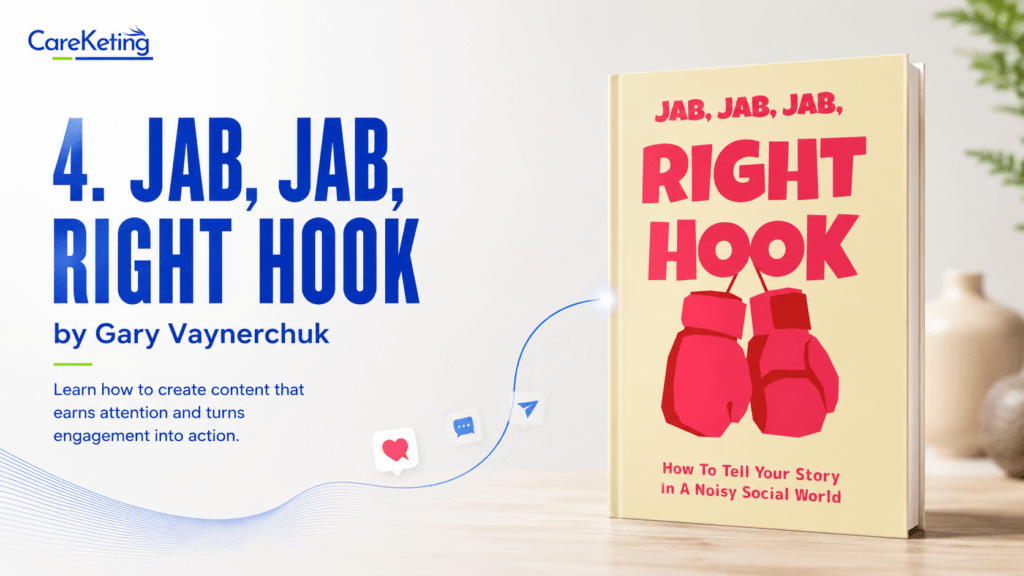
4. Jab, Jab, Jab, Right Hook by Gary Vaynerchuk
Jab, Jab, Jab, Right Hook
Best for: Understanding social media content and communication.
Gary Vaynerchuk’s book focuses on creating content that fits the platform and provides value before asking the audience to take an action.
The principle is simple. If every post asks people to buy, enquire, register, or visit your website, the audience has little reason to keep paying attention.
For a business using social media marketing, this means balancing educational posts, useful information, stories, proof, and promotional content.
Practical takeaway: Build attention and trust before repeatedly asking for a conversion.
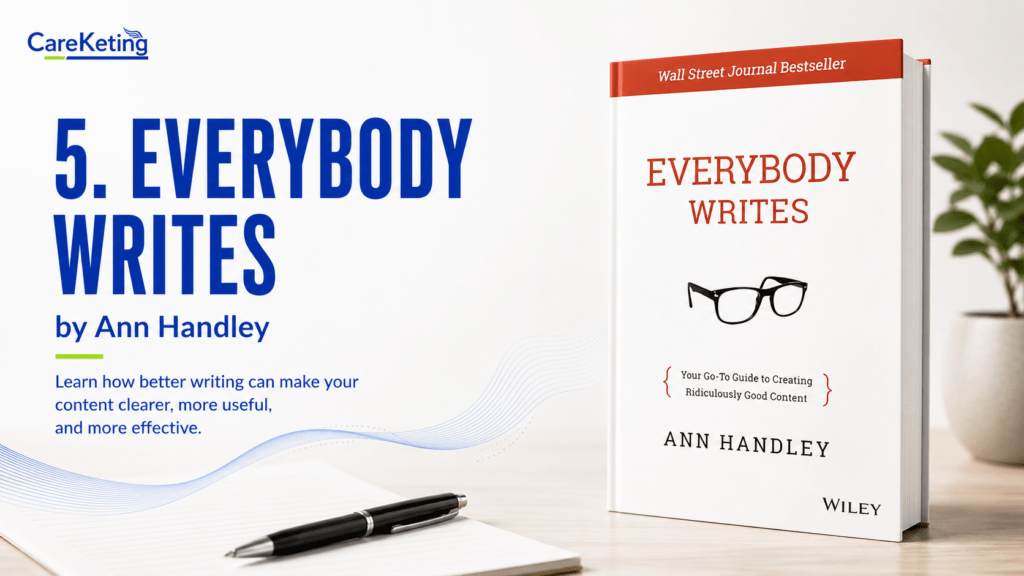
5. Everybody Writes by Ann Handley
Everybody Writes
Best for: Content writing and communication.
Ann Handley’s Everybody Writes is useful for marketers who regularly create blogs, emails, website copy, social media posts, and other forms of content.
The central lesson is highly practical: clear writing matters. Even a technically strong marketing strategy can perform poorly when the message is confusing, vague, or difficult to read.
For businesses, this is especially important because customers often judge professionalism through the quality of communication they receive.
Practical takeaway: Before publishing content, remove unnecessary words and make the main point obvious.
How to Choose the Right Digital Marketing Book
Not every book needs to be read from cover to cover.
Choose based on the problem you are trying to solve:
Your Goal | Recommended Book |
Understand customer psychology | Influence |
Create shareable ideas | Contagious |
Learn customer focused marketing | This Is Marketing |
Improve social media content | Jab, Jab, Jab, Right Hook |
Improve marketing writing | Everybody Writes |
One important point is that books should complement practical experience. Marketing changes quickly, especially in areas such as advertising platforms, search algorithms, analytics, and artificial intelligence. Use books to understand principles, then combine those principles with current platform knowledge and real campaign data.
Frequently Asked Questions
Which digital marketing books are best for beginners?
This Is Marketing and Everybody Writes are accessible starting points. They focus on fundamental marketing and communication principles rather than complicated technical processes.
Are digital marketing books still useful?
Yes. Platforms and tools change, but customer psychology, positioning, communication, persuasion, and strategic thinking remain relevant.
Which book is best for social media marketing?
Jab, Jab, Jab, Right Hook is specifically useful for understanding social media communication and content strategy.
Which book is best for marketing psychology?
Influence is a strong choice for learning about persuasion and the psychological factors that affect customer decisions.
Should business owners read digital marketing books?
Yes, particularly if they want to understand the reasoning behind marketing activities. This can help them evaluate agencies, campaigns, content, and advertising decisions more effectively.
Conclusion
The best digital marketing books do more than provide tactics. They help you understand how customers think, why certain messages work, how brands create trust, and how marketing connects with business objectives.
If you are new to marketing, start with one book that matches your immediate challenge. Read it with a practical question in mind, then test what you learn through your own website, content, social media, or advertising campaigns.
That combination of structured learning and real market experience is far more valuable than collecting a long list of marketing books without applying what they teach.
Pick one book from this list, take notes on the ideas that apply to your business, and turn at least one lesson into a real marketing experiment.